90s 3D Plate: A Retro Design Asset
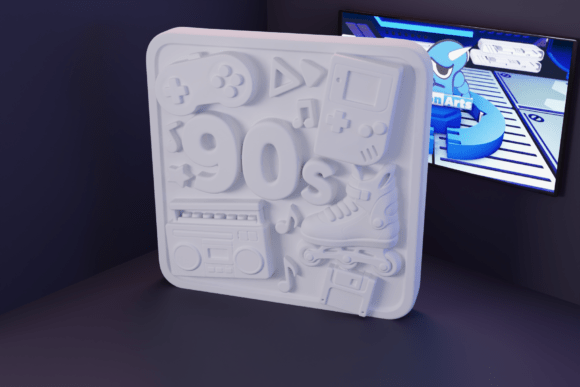
The aesthetic of the 1990s has evolved from a fleeting trend into a permanent fixture in modern visual culture. It represents a specific moment in design history where technology began to intersect with pop culture in vibrant, unapologetic ways. The 90s 3D Plate captures this spirit perfectly. It is not merely a nostalgic nod to the past; it is a functional design asset that brings depth, personality, and a distinct geometric charm to contemporary projects. Whether you are a brand strategist looking to inject playfulness into a corporate identity or a hobbyist creator aiming to produce tangible decor, this STL file offers a versatile foundation for creative expression.
Visual Characteristics and Stylistic Appeal
Understanding the visual language of the 90s 3D Plate requires looking at the design trends that defined the era. This style is characterized by bold extrusions, sharp angles, and a sense of volumetric weight. Unlike the flat, minimalist sans serif font trends that dominated the 2010s, this aesthetic embraces complexity and dimension. The "plate" concept suggests solidity, reminiscent of arcade cabinet marquees, VHS tape labels, and early computer interface icons.
The appeal lies in its tactile quality. Even in a digital format, the design implies physical presence. It mimics the look of molded plastic or raised lettering, creating immediate visual interest through shadow and light interaction. For designers, this means the asset does heavy lifting on its own. It does not require elaborate backgrounds or complex color gradients to stand out. Its strength is in its form. When used in logo design or packaging design, it communicates a sense of fun and reliability simultaneously. It bridges the gap between retro kitsch and modern structural integrity, making it suitable for brands that want to appear approachable yet established.
Strategic Applications in Branding and Marketing
Integrating the 90s 3D Plate into your workflow extends beyond simple decoration. It serves as a powerful tool for shaping brand identity. In a market saturated with clean, sterile visuals, a retro-inspired 3D element can disrupt viewer attention and foster emotional connection. Nostalgia is a potent psychological trigger, particularly for adults aged 20 to 50 who grew up during this era. Using this style signals cultural awareness and shared history.
Consider its application in social media graphics. Static posts often struggle to capture attention in fast-scrolling feeds. A 3D-rendered plate design, with its inherent depth, creates a stop-scroll effect. It adds a layer of sophistication that flat vector art sometimes lacks. For entrepreneurs and small business owners, this asset can be adapted for product launches, event promotions, or limited-edition campaigns. It works exceptionally well for industries related to gaming, entertainment, food and beverage, and lifestyle products where personality is a key differentiator.
In editorial design and publishing, this style can be used for chapter headers, cover art, or pull quotes. It breaks the monotony of text-heavy layouts and provides visual anchors. However, it is crucial to use it sparingly. As a display font or graphic element, it commands attention. Overuse can lead to visual clutter. The goal is to create hierarchy, guiding the viewer’s eye to the most important information through contrast and weight.
From Digital File to Physical Object
One of the unique advantages of the 90s 3D Plate STL file is its dual nature. It exists as a digital design asset but is engineered for physical production. For makers, crafters, and interior designers, this opens up avenues for tangible branding. You are not limited to screens. This file allows you to create physical signage, desk accessories, or decorative wall art.
The STL format ensures compatibility with most consumer-grade 3D printers. The model is designed to be solid and easy to print, minimizing the need for complex support structures. This makes it accessible even to those new to 3D printing. When printed, the object retains the stylistic nuances of the original design. The layer lines of the print can even enhance the retro tech aesthetic, adding a raw, industrial texture that aligns with the vintage theme.
For small business owners, this presents an opportunity for product creation. Imagine offering custom-branded 3D plates as merchandise or corporate gifts. The ability to transform a digital file into a physical object adds value to your service offerings. It demonstrates technical proficiency and creative versatility. Whether used for personal decor or commercial products, the transition from screen to physical space is seamless, provided you review the file in your slicer software to optimize orientation and settings.
Practical Guidance for Implementation
To get the most out of the 90s 3D Plate, consider these practical steps for integration into your projects:
- Evaluate Project Fit: Ask yourself if the tone of your project aligns with retro, playful, or bold aesthetics. This style may not suit highly formal or traditional corporate environments, but it excels in creative, youth-oriented, or lifestyle contexts.
- Test Font Pairings: If you are combining this 3D element with text, choose complementary typefaces. A clean, modern sans serif font often works best to balance the visual weight of the 3D plate. Avoid pairing it with other decorative or script fonts, as this can create confusion and reduce readability.
- Consider Readability: While the 3D effect is visually striking, ensure that any text integrated into the design remains legible. High contrast between the plate and the background is essential. In physical prints, consider post-processing techniques like painting or sanding to enhance definition.
- Review Licensing and Usage: Always verify the licensing terms for commercial use. Understanding whether the asset is cleared for commercial font usage or broader design application is critical for professional projects. Ensure you have the rights to modify and distribute the final output.
- Optimize for Medium: For digital use, render the 3D model with appropriate lighting to highlight its depth. For print, select materials that complement the design. Matte filaments can evoke a vintage plastic feel, while glossy finishes might reference the shiny surfaces of 90s consumer electronics.
Enhancing Visual Hierarchy and Engagement
Effective design is about communication. The 90s 3D Plate contributes to visual hierarchy by establishing a focal point. In web design, such elements can be used hero sections or call-to-action buttons to draw clicks. In print, they can anchor a layout. The key is consistency. If you adopt this retro 3D style, carry it through other design assets to create a cohesive brand experience.
Remember that nostalgia is a tool, not a crutch. The value of this asset lies in its ability to feel fresh while referencing the past. It is not about replicating the 90s exactly, but about interpreting its energy for a modern audience. By focusing on clean execution and strategic placement, you elevate the design from a gimmick to a sophisticated component of your visual strategy.
Ultimately, the 90s 3D Plate is more than a file; it is a bridge between eras. It allows designers and creators to tap into a rich vein of cultural memory while utilizing modern tools. Whether you are rendering it for a digital campaign or printing it for a physical installation, it offers a distinctive voice in a crowded visual landscape. Embrace its boldness, respect its limitations, and let it add dimension to your creative work.