Dragon Bookend 3D Model: A Magical Desk Companion
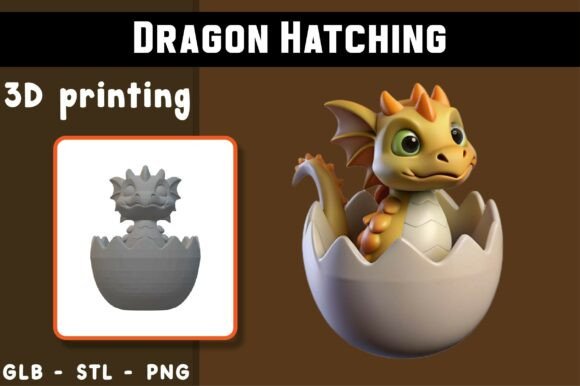
There is a distinct satisfaction in curating a physical space that reflects your personality, especially when that space is dedicated to work, study, or creative exploration. For fantasy enthusiasts and collectors alike, standard office accessories often feel sterile and uninspired. This is where the Dragon Bookend 3D Model steps in, offering a bridge between digital design and tangible artistry. It is not merely a functional object to keep your paperbacks upright; it is a narrative piece that captures the whimsical moment of a new creature emerging into the world.
Whether you are a seasoned maker with a farm of printers or a hobbyist looking for your first successful print, this model provides an accessible entry point into high-quality decorative 3D printing. Its design philosophy centers on expressive details and gentle charm, making it suitable for a wide array of environments, from corporate offices to cozy home libraries.
Design Philosophy and Aesthetic Appeal
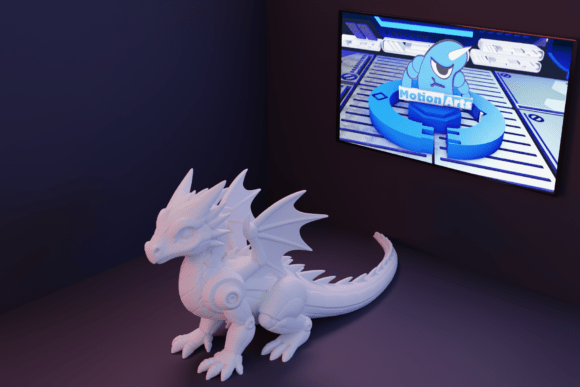
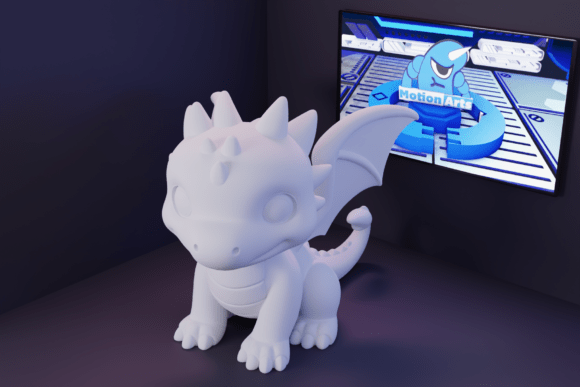
The visual impact of any 3D printed object relies heavily on its underlying geometry and artistic intent. The Dragon Bookend 3D Model was crafted to evoke a sense of wonder. Unlike aggressive or overly complex dragon sculptures that can appear intimidating or cluttered, this design focuses on story-rich charm. The creature appears curious and alive, adding a layer of personality to your shelf without overwhelming the surrounding decor.
For interior designers and home stylists, the value lies in its versatility. The clean lines and balanced proportions ensure that it complements both modern minimalist setups and traditional, cluttered bookshelves. The expressive details are designed to catch light and shadow effectively, enhancing the visual depth even when printed in single-color filaments. This makes it an excellent choice for those who want a premium look without the complexity of multi-material printing.
Technical Specifications and File Formats
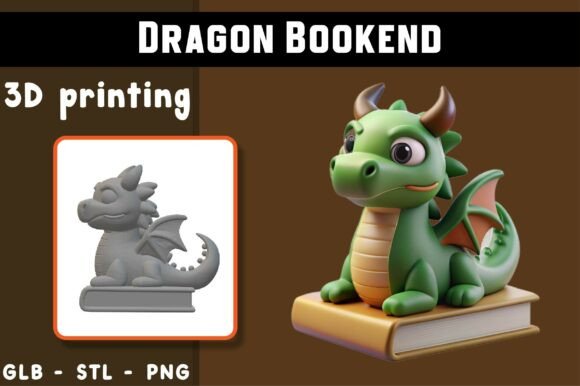
One of the strongest advantages of purchasing a digital asset like this is the flexibility it offers across different platforms and use cases. The package includes three distinct file types, each serving a specific purpose in your workflow:
- STL (Stereolithography): This is the core file for makers. It contains the mesh data required for 3D printing. The geometry has been optimized for easy slicing, meaning you spend less time repairing meshes and more time printing.
- GLB (GL Transmission Format): Ideal for digital artists, AR developers, or marketers. This format allows you to preview the model in augmented reality, embed it on websites for 360-degree viewing, or use it in digital presentations without needing heavy rendering software.
- PNG (Portable Network Graphics): A high-quality rendered reference image. This is crucial for visualizing the final outcome before you commit printer resources, helping you choose the right filament color and orientation.
Having access to the GLB file is particularly useful for educators and content creators who wish to showcase the model digitally before physically producing it. It allows for interactive engagement with audiences who may not have 3D printers but appreciate digital art.
Practical Applications Across Industries
While the primary function is obvious, the utility of the Dragon Bookend 3D Model extends beyond simple book support. Here is how various professionals and hobbyists can leverage this design:
For Educators and Librarians
Engaging students in reading can be challenging. Placing imaginative, tactile objects like this dragon bookend in classroom libraries or school media centers creates a welcoming atmosphere. It serves as a conversation starter about mythology, literature, and even the technology behind 3D printing itself. Teachers can use the STL file as part of a STEM curriculum, demonstrating how digital files become physical objects.
For Content Creators and Streamers
Background aesthetics matter immensely in video production and live streaming. A unique, custom-printed prop adds authenticity to a set. The dragon’s expressive pose works well on camera, providing a focal point that reinforces a brand identity centered around fantasy, gaming, or creativity. Using the GLB file, streamers can also integrate the model into virtual backgrounds or overlays.
For Corporate Gifting and Branding
Entrepreneurs and business owners often struggle to find unique, memorable gifts for clients or employees. A locally printed, high-quality bookend demonstrates thoughtfulness and support for modern manufacturing techniques. It is far more impactful than generic merchandise. Companies in the tech or creative sectors can use this as a symbol of innovation and imagination.
For Home Decor Enthusiasts
For the average collector, this model offers a way to personalize living spaces. It fits seamlessly on nightstands, mantelpieces, or desk organizers. Because the design is beginner-friendly, users can experiment with different materials—such as silk PLA for a metallic sheen or matte PLA for a stone-like appearance—allowing the decor to match existing interior themes perfectly.
Printing Considerations and Best Practices
To achieve the best results with the Dragon Bookend 3D Model, understanding the technical requirements is essential. The model features clean geometry specifically designed to minimize printing failures, but attention to detail will elevate the final product.
Slicer Settings: Always preview the STL file in your preferred slicer software. While the model is designed for reliable prints, layer height plays a significant role in capturing the expressive details. A layer height of 0.12mm to 0.16mm is recommended for a balance between speed and surface quality. For finer details on the dragon’s face or scales, consider dropping to 0.08mm.
Supports and Orientation: Depending on your printer’s capabilities and the specific angle of the dragon’s limbs or wings, supports may be required. The design aims to reduce overhangs, but checking the preview is critical. Use tree supports if available, as they are easier to remove and leave fewer marks on the visible surfaces of the model.
Material Selection: PLA is the most straightforward choice due to its ease of use and lack of warping. However, PETG can offer greater durability if the bookends will be handling heavy hardcovers. Avoid flexible filaments unless you have advanced tuning experience, as they may not provide the rigid stability needed for a bookend.
Why Choose Digital Assets?
Opting for a digital download like the Dragon Bookend 3D Model supports a sustainable and flexible approach to consumption. You eliminate shipping emissions associated with physical goods and reduce packaging waste. Furthermore, you gain the ability to iterate. If the first print isn’t perfect, you can adjust settings and try again immediately. If you break it, you can reprint it. This level of control is invaluable for creators who value efficiency and customization.
It is important to remember that this is an AI-assisted 3D design. While the geometry is cleaned and optimized, slight variations may occur depending on your specific hardware. The provided PNG serves as a visual guide, but your final result will depend on your slicer settings, nozzle size, and filament quality. This transparency ensures that users approach the project with realistic expectations, leading to higher satisfaction.
Final Thoughts
The Dragon Bookend 3D Model represents more than just a file; it is an invitation to create something magical. Whether you are looking to enhance your personal workspace, engage students in a classroom, or add a unique touch to your content creation setup, this model delivers both form and function. By combining beginner-friendly printing characteristics with high-end aesthetic appeal, it stands out as a valuable addition to any digital library. Embrace the process, experiment with materials, and enjoy the tangible result of bringing a digital dragon to life.