Realistic Witch 3D Model: A Guide
In the evolving landscape of digital fabrication, the intersection of fantasy art and technical precision creates unique opportunities for creators. The Realistic Witch 3D model represents more than just a file to download; it is a study in texture, expression, and atmospheric design. For those interested in dark fantasy aesthetics, Halloween decor, or simply testing the limits of their printing hardware, this model offers a compelling challenge. It bridges the gap between conceptual art and tangible object, requiring a thoughtful approach to both slicing and post-processing.
Understanding the Design Complexity
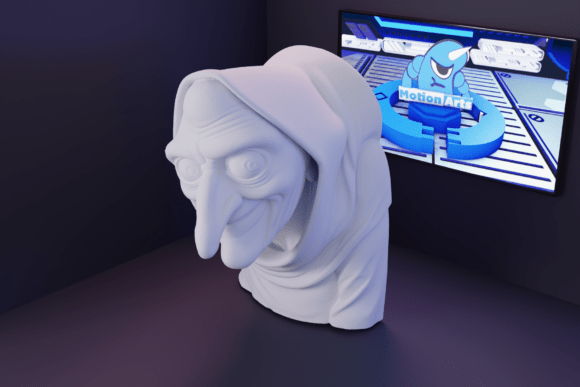
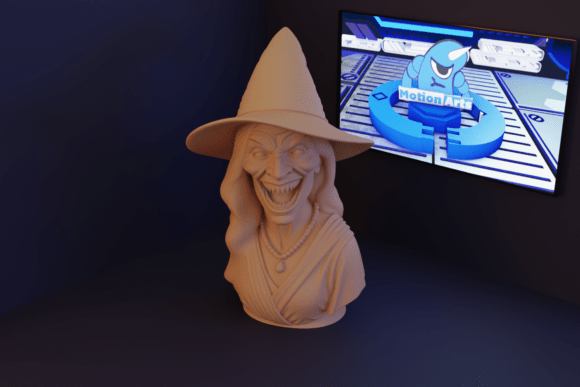
This STL file is characterized by its high level of detail and scenic presence. Unlike stylized or low-poly models that rely on geometric simplicity, a realistic witch figure demands attention to organic forms. The design highlights intricate folds in clothing, nuanced facial features, and complex textures that bring the sculpture to life. These elements are not merely decorative; they serve as benchmarks for printer capability.
The model was developed with a specific intent: to capture mystery, power, and magic in every detail. The striking features and powerful expression require a printer that can resolve fine layers without losing structural integrity. Because of this, the file is categorized at an intermediate skill level. It is not intended for absolute beginners who may struggle with support removal on complex overhangs, nor is it so abstract that it lacks technical rigor. It sits comfortably in the middle, offering a rewarding print for those who have mastered the basics of bed adhesion and layer height calibration.
Perspectives for Different Creators
The value of the Realistic Witch model shifts depending on who is holding the spatula. What matters to a hobbyist decorating their home may differ significantly from the priorities of a small business owner selling printed goods.
For Hobbyists and Collectors
If you are a collector of dark fantasy figures or an enthusiast of Halloween-themed decoration, your primary concern is likely aesthetic fidelity. You want the final piece to look like a miniature statue rather than a plastic prototype. For this audience, the choice of material is critical. While FDM (Fused Deposition Modeling) printers can produce this model, resin (SLA/DLP) printers are often preferred for such detailed characters. Resin allows for smoother surface finishes and sharper details in the witch’s facial expressions and fabric textures.
Hobbyists should focus on orientation. Placing the model to minimize visible support marks on the face or front of the garment is essential. The goal is a display piece that enchants or haunts the collection, so patience during the cleaning and curing phase is non-negotiable.
For Professionals and Small Business Owners
Entrepreneurs and freelancers who sell 3D printed items view this model through the lens of commercial viability and production efficiency. The Realistic Witch can be a standout product for seasonal sales, particularly in October. However, the requirement for supports and the intermediate difficulty level means that print time and post-processing labor must be factored into pricing.
For business owners, reliability is key. Before offering this item for sale, it is advisable to run test prints to determine the optimal settings that balance speed with quality. Can you print this in PLA, or does PETG offer better durability for shipping? Does the resin used cure quickly enough to maintain a steady workflow? Understanding these variables helps transform a single STL file into a consistent revenue stream.
For Educators and Students
In educational settings, this model serves as an excellent case study for advanced slicing techniques. Instructors can use the Realistic Witch to teach students about support structures, infill patterns, and the impact of layer height on surface quality. The complex folds of the witch’s attire provide a practical example of how slicers interpret overhangs and bridges.
Students learn that not all models are created equal. Some are designed for ease, while others, like this one, are designed for visual impact. Evaluating why certain areas require dense supports while others do not helps learners develop a deeper understanding of additive manufacturing principles. It moves the conversation beyond "pressing print" to engineering a successful outcome.
Technical Considerations and Printing Tips
To achieve the best results with the Realistic Witch, several technical factors must be considered. The model is compatible with both FDM and resin printers, but the approach differs for each technology.
- FDM Printing: Use a smaller nozzle size, such as 0.4mm or smaller, to capture fine details. A layer height of 0.1mm to 0.16mm is recommended for a balance between speed and resolution. Ensure your retraction settings are tuned to prevent stringing, which can be difficult to clean from intricate areas like hair or fingers.
- Resin Printing: This is often the ideal method for this type of model. Use a high-resolution resin and consider anti-aliasing settings to smooth out stair-stepping effects. Support density should be moderate to hold delicate features without leaving large scars that require excessive sanding.
- Supports: As noted in the file description, supports are required. Manual placement of supports in your slicer software is highly recommended over auto-generation. This allows you to place supports on less visible areas, such as the back of the cloak or under the arms, preserving the visual integrity of the face and front details.
It is important to remember that this is a digital 3D model, potentially AI-assisted in its design phase. While the geometry is optimized for printing, actual results may vary depending on your specific hardware, material choices, and environmental conditions. Calibration is not a one-time task but an ongoing process.
Evaluating Fit for Your Project
Before downloading, ask yourself what you hope to achieve. Are you looking for a quick print to fill space on a build plate, or are you seeking a centerpiece for a diorama? The Realistic Witch is suited for the latter. It requires time, attention, and a willingness to troubleshoot.
If you prioritize speed above all else, this model may not be the best choice for your current needs. However, if you value creativity, presentation, and the satisfaction of producing a high-quality, detailed sculpture, it aligns well with your goals. The intermediate difficulty level ensures that the project remains engaging without being overwhelmingly frustrating for those with some experience.
Ultimately, the Realistic Witch 3D model is a versatile asset for those willing to invest the effort. Whether you are enhancing your personal collection, expanding your product line, or teaching the nuances of 3D printing, this file offers a blend of artistic flair and technical substance. By understanding the specific requirements of the model and aligning them with your capabilities, you can ensure that the final print truly captures the mystery and power intended by the design.