RPG Knight: Bringing Fantasy Heroes to Life with 3D Printing
There is a distinct thrill in holding a physical representation of a digital fantasy. For tabletop gamers, miniature collectors, and fantasy enthusiasts, the RPG Knight represents more than just a plastic figure; it is a tangible connection to the stories we love. Whether you are running a high-stakes campaign in Dungeons & Dragons or simply curating a shelf display of medieval warriors, having a high-quality, detailed model can elevate the entire experience. The availability of print-ready STL files for these heroic figures has democratized access to professional-grade miniatures, allowing hobbyists to bring their imagination into the real world with unprecedented ease.
The Role of the RPG Knight in Tabletop Gaming
For Dungeon Masters and players alike, immersion is the currency of the game. While theater of the mind has its place, visual aids provide an anchor for the narrative. An RPG Knight miniature serves as a focal point during combat encounters. When a player declares a charge against a dragon or holds the line against a horde of goblins, placing a detailed knight on the battle map transforms abstract numbers into a visceral scene.
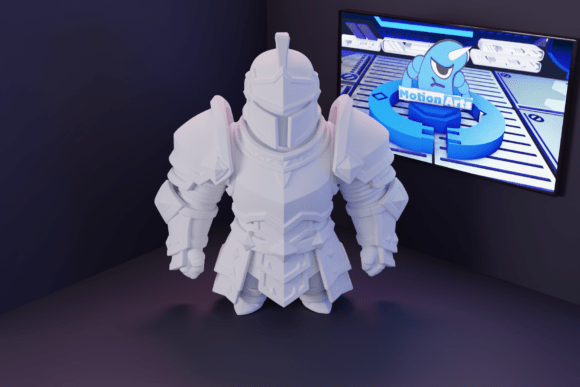
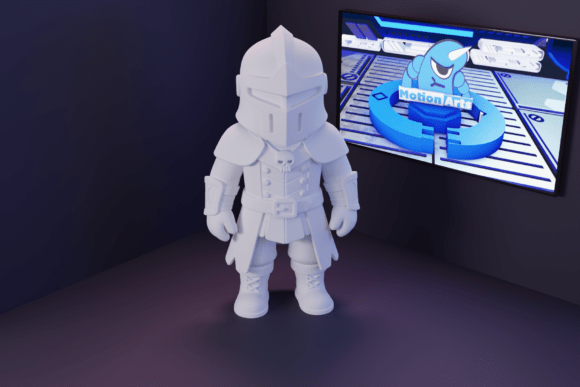
The specific design of this model—featuring detailed armor and a heroic pose—adds narrative weight. It isn’t just a generic pawn; it suggests a backstory. Is this knight a paladin sworn to protect the weak? A mercenary seeking gold? The visual cues in the armor plating and stance allow players to project personality onto the piece. This psychological boost enhances engagement, making every roll of the dice feel more significant. Furthermore, using consistent, high-quality models helps new players visualize the scale and stakes of the game, reducing the learning curve and increasing enjoyment.
Elevating Dioramas and Display Collections
Beyond the gaming table, the RPG Knight finds a prominent place in the world of dioramas and static displays. Collectors often seek pieces that stand out not just for their rarity, but for their aesthetic appeal. A solid, well-proportioned knight model provides an excellent base for creative painting and weathering techniques.
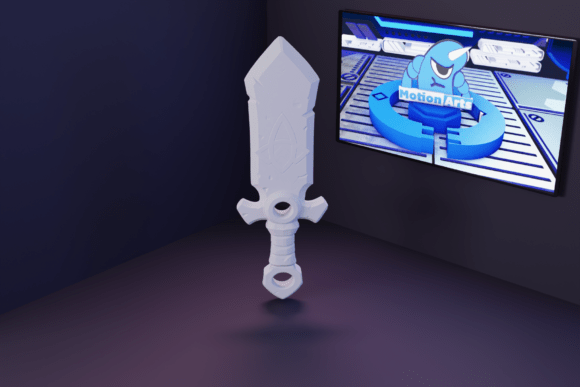
Consider the hobbyist who builds intricate scenes: a knight standing guard over a ruined bridge, or perhaps resting by a campfire after a long journey. The structural integrity of a print-ready STL file ensures that the model can withstand the handling required for such setups. Unlike fragile resin casts from mass production, 3D printed models allow for customization. You can choose to print the knight with a sword raised high for a dynamic action shot, or in a more stoic, defensive posture for a solemn memorial piece. This flexibility allows artists to tailor the miniature to fit specific thematic elements of their collection, whether it’s dark fantasy, high medieval, or heroic epic styles.
A Gateway for Aspiring Painters and Hobbyists
One of the most compelling aspects of acquiring an RPG Knight STL file is its accessibility for those looking to improve their painting skills. Detailed armor offers a variety of textures and surfaces—shiny metal plates, worn leather straps, and fabric cloaks. This variety is ideal for practicing different painting techniques, such as metallic non-metallic metal (NMM), object source lighting, and dry brushing.
Because the model is described as "solid and easy-to-print," it reduces the frustration often associated with complex 3D prints. Beginners can focus on the artistry rather than struggling with failed prints or excessive support removal. The clean lines and defined edges of the armor provide clear boundaries for color separation, making it easier to achieve a professional look even for those still mastering brush control. For many, this knight becomes a practice ground, a reliable subject that rewards effort with visible improvement in skill.
Practical Considerations for 3D Printing Your Knight
While the promise of a perfect miniature is enticing, realizing it requires attention to technical details. The disclaimer associated with AI-generated or digital 3D designs is crucial: actual printed results vary significantly based on your hardware and settings. Understanding these variables is key to success.
- Printer Type: Resin (SLA/DLP) printers generally offer higher detail for miniatures like the RPG Knight, capturing the fine etchings in the armor. However, FDM (filament) printers have improved drastically and can produce solid, impressive results if tuned correctly, especially for larger scales.
- Orientation and Supports: To minimize visible layer lines and ensure structural strength, orientation matters. Printing the knight upright usually requires supports under the arms and weapon. Careful placement of supports is essential to avoid damaging the detailed surfaces during removal. Some users prefer printing in parts (arms, body, head separately) to glue together later, which eliminates support marks on critical areas but requires assembly skills.
- Slicer Settings: Layer height determines resolution. For a hero piece, a lower layer height (e.g., 0.05mm for resin or 0.1mm for FDM) yields smoother surfaces. Infill density should be sufficient to make the model feel substantial in hand, adding to the premium feel of the final product.
Customization and Creative Freedom
Owning the digital file opens doors that pre-painted miniatures cannot. If you have basic 3D modeling skills, you can modify the RPG Knight to suit your specific needs. Want to swap the sword for a lance? Add a shield with a custom heraldry emblem? Change the helmet style? Having the source file allows for these modifications. Even without modeling skills, simple scaling adjustments can make the knight fit perfectly into different game systems, from 28mm standard wargaming to larger 32mm heroic scales.
This adaptability makes the model valuable for content creators and streamers who need unique visuals for their broadcasts. A customized knight can become a mascot or a signature piece that distinguishes their channel or blog from others. It transforms a generic asset into a branded element of their creative identity.
Navigating the Digital Marketplace
When selecting an RPG Knight STL file, look for descriptions that emphasize "print-ready" and "solid." These terms usually indicate that the designer has already checked for manifold errors and closed meshes, saving you time on repair software. User reviews and community photos are invaluable resources here. Seeing how others have printed and painted the same model provides realistic expectations regarding detail level and print difficulty.
It is also worth noting the ethical and legal aspects. Ensure you have the appropriate license for the file. Most creators offer personal use licenses, allowing you to print for your own collection or gaming group. Commercial licenses may be required if you intend to sell printed copies. Respecting intellectual property supports the ecosystem of designers who create these intricate models, ensuring a steady flow of new and exciting characters for the community.
The Enduring Appeal of Medieval Fantasy
The fascination with knights, honor, and swordplay is timeless. The RPG Knight taps into this archetypal imagery, offering a modern way to engage with ancient myths. Whether used as a centerpiece for a D&D campaign, a study piece for a painter, or a decorative item for a home office, the model bridges the gap between digital design and physical craftsmanship. By understanding the practicalities of printing and the creative possibilities of customization, users can maximize the value of this digital asset, turning a simple STL file into a cherished keepsake of their fantasy adventures.