Neoclassical Palace: A 3D Printable Tribute to Architectural Grandeur
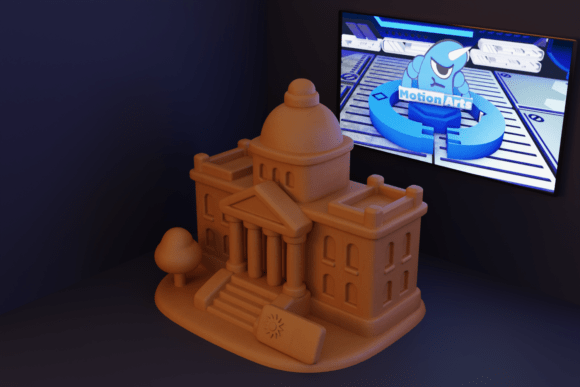
In the realm of digital fabrication and miniature collecting, few structures command attention quite like the Neoclassical Palace. This architectural style, rooted in the revival of classical Greek and Roman ideals, represents a pinnacle of symmetry, proportion, and refined elegance. For modern creators, hobbyists, and interior design enthusiasts, the ability to bring this timeless aesthetic into the physical world through 3D printing offers a unique bridge between historical appreciation and contemporary technology. The Neoclassical Palace 3D model is not merely a static object; it is a tangible expression of balance and grandeur, designed to captivate collectors and serve as a centerpiece for detailed dioramas.
The Enduring Appeal of Neoclassical Design
To truly appreciate the value of a Neoclassical Palace model, one must first understand the architectural movement itself. Emerging in the mid-18th century, Neoclassicism was a reaction against the excessive ornamentation of the Baroque and Rococo styles. It sought to return to the perceived purity and rationality of ancient classical architecture. Key characteristics include:
- Symmetry and Balance: Every wing, window, and column is mirrored to create a sense of harmonic order.
- Grand Columns: Inspired by Doric, Ionic, or Corinthian orders, columns provide structural rhythm and visual height.
- Triangular Pediments: These crown the entrances and windows, adding a distinct classical silhouette.
- Refined Details: Rather than chaotic decoration, details are precise, deliberate, and spaced to allow the eye to rest.
When these elements are translated into a 3D printable model, they offer a fascinating study in geometry and form. The Neoclassical Palace STL file captures these essential traits, allowing users to hold a piece of architectural history in their hands. Whether you are an architect studying proportions or a hobbyist looking to enhance a tabletop gaming setup, the clarity of these lines provides both educational value and aesthetic pleasure.
Features of the Digital Model
The specific Neoclassical Palace STL file available for download has been engineered with both visual fidelity and printability in mind. Unlike some complex architectural scans that may result in fragile or unprintable meshes, this model focuses on a solid structure with harmonious proportions. Here is what makes this particular digital asset stand out:
Precision and Clean Finish
The model was developed to ensure precise printing. In 3D printing, especially with intricate architectural details, "noise" in the mesh can lead to poor surface quality. This file features clean geometry, ensuring that the columns remain cylindrical and the cornices sharp. The goal is to preserve the grandeur and balance of the classic style without requiring excessive post-processing.
Versatile Compatibility
One of the strongest advantages of this model is its broad compatibility. It is designed to work seamlessly with both major types of 3D printing technology:
- FDM (Fused Deposition Modeling): Ideal for larger prints where layer lines are less critical or can be sanded down. The solid structure ensures stability during the printing process.
- Resin (SLA/DLP/LCD): Perfect for capturing the finer details of the neoclassical motifs, such as the fluting on columns or the intricate moldings around windows.
This dual compatibility makes the Neoclassical Palace accessible to a wide range of users, from those with entry-level filament printers to professionals with high-resolution resin setups.
Practical Applications and Use Cases
Who benefits from owning a digital file of a Neoclassical Palace? The applications are diverse, spanning hobbies, professional modeling, and education. Below are several real-world scenarios where this model adds significant value.
Historical Dioramas and Wargaming
For enthusiasts of historical tabletop games, terrain is crucial for immersion. A Neoclassical Palace can serve as a central objective in scenarios set during the Napoleonic Wars, the American Revolution, or fictional steampunk settings. Its imposing presence creates natural choke points and cover, while its aesthetic accuracy enhances the narrative experience. Because the model is scalable, it can be printed at various sizes to fit different game systems, from 28mm miniatures to larger scale displays.
Architectural Education and Study
Students of architecture and history often struggle to visualize two-dimensional plans in three-dimensional space. Printing a Neoclassical Palace allows for a tactile exploration of spatial relationships. Educators can use the model to demonstrate concepts such as load-bearing columns, symmetry, and the use of light and shadow in classical facades. It transforms abstract theoretical concepts into concrete, observable realities.
Interior Decoration and Collectibles
Beyond gaming and education, there is a growing market for architectural miniatures as home decor. A well-painted Neoclassical Palace can sit proudly on a bookshelf, desk, or display cabinet. It appeals to collectors who appreciate the timeless beauty of classical art. When printed in materials like marble-filled PLA or gold-colored resin, the model takes on the appearance of a genuine museum artifact, adding a touch of sophistication to any room.
Printing Guidelines and Considerations
While the Neoclassical Palace is rated as a beginner-level project, achieving the best results requires attention to detail. Understanding the limitations and requirements of your specific printer will ensure a successful build.
Support Structures
The description notes that support is required. This is typical for architectural models with overhangs, such as roof eaves, balconies, and the undersides of pediments.
- For FDM Printers: Use tree supports if available, as they are easier to remove and leave fewer marks on the vertical columns. Ensure your infill is sufficient (15-20%) to maintain structural integrity.
- For Resin Printers: Generate supports with a medium density. Pay special attention to the base of the columns and the roofline. Hollowing the model (if possible) can save resin and reduce suction forces, but ensure drain holes are added.
Material Selection
The choice of material significantly impacts the final look. Standard PLA is excellent for ease of printing and comes in a variety of colors. However, for a more authentic neoclassical feel, consider using:
- Marble or Stone-effect PLA: These filaments contain particulates that mimic the texture of real stone, hiding layer lines and enhancing the classical aesthetic.
- Grey Resin: A neutral grey primer coat is standard for miniatures, but printing directly in grey resin provides a uniform base for painting and highlighting architectural details.
Post-Processing Tips
To truly bring out the elegance and grandeur of the Neoclassical Palace, post-processing is key. After removing supports, sand any remaining nubs gently. A wash technique—using thinned black or brown paint applied over the entire model and then wiped off—can accentuate the recesses of the columns and windows, adding depth and realism. Dry brushing with a lighter color on the raised edges will further highlight the refined features.
Evaluating Suitability for Your Project
Before downloading, consider your specific needs. Is this model right for you?
Choose this model if:
- You appreciate classical architecture and want a decorative piece.
- You need a sturdy, symmetrical building for tabletop gaming terrain.
- You are a beginner looking for a rewarding print with clear, manageable geometry.
- You have access to either FDM or resin printing technology.
Consider alternatives if:
- You require a highly ruined or damaged structure (this model is pristine).
- You need an interior layout with furnished rooms (this is primarily an exterior shell).
- You are looking for a non-classical architectural style such as Gothic or Modernist.
Conclusion: Bringing Timeless Beauty to Life
The Neoclassical Palace 3D printable model represents more than just a digital file; it is an invitation to engage with history through modern creation. By combining the symmetry and refined features of neoclassical architecture with the accessibility of consumer 3D printing, this model opens up new possibilities for decorators, gamers, and learners alike. Its solid structure and harmonious proportions ensure that whether you are a novice or an expert, the final result will reflect the imponência (grandeur) of the original style.
As with any digital product, it is important to note the disclaimer: this is an AI-generated 3D design. While optimized for printing, actual results may vary depending on your specific printer calibration, material choices, and slicer settings. Experimentation is part of the journey. Adjust your speeds, temperatures, and support structures to find the perfect balance for your machine.
Ultimately, the joy of the Neoclassical Palace lies in its versatility and beauty. Download the STL, prepare your printer, and bring the timeless beauty of neoclassical architecture into your collection. Whether displayed as a standalone art piece or integrated into a larger diorama, it stands as a testament to the enduring power of classical design in the digital age. 🏛️💫